Trijog

Home / Best Mental Health Workshops for Employees (2026): How to Plan Sessions That Land

2026 L&D Guide

Best Mental Health Workshops for Employees (2026): How to Plan Sessions That Land

A mental health workshop can open a conversation that teams have avoided for years. It can also be an hour people sit through and forget. The difference usually comes down to topic choice, the facilitator and what happens after the session ends.

This guide helps HR and L&D teams plan workshops that feel relevant and safe. It also explains how Trijog's workshops and L&D sessions may be a good fit for teams across India.

Trijog Training Institute

The short answer

The best mental health workshops for employees 2026 are practical, interactive and led by qualified mental health professionals. Pick topics that match what your teams are facing, such as stress, burnout, sleep, conflict or grief. Keep groups small enough for questions, give people a safe way to stay anonymous, and end with clear next steps, including how to reach confidential counselling. One workshop rarely changes much. A planned series linked to ongoing support does far more.

What makes a mental health workshop worth the time

01

Led by psychologists or counsellors, not general motivational speakers

02

Topics chosen from real employee concerns, not a fixed catalogue

03

Practical tools people can use the same day

04

Group sizes that leave real space for questions

05

Anonymous ways to ask sensitive questions during the session

06

Clear signposting to confidential one-to-one support afterwards

07

Formats that work in person, online and across languages
Questions to ask before booking a workshop

01

Who will facilitate, and what is their clinical background?

02

Can the content be adapted to our industry and teams?

03

How will you handle it if someone becomes upset during the session?

04

Can the workshop be delivered in Hindi or other regional languages?

05

What will participants take away to use afterwards?

06

How does this workshop connect to counselling for those who need it?

Trijog Corporate Wellness Programs

Choosing topics, formats and timing

Start with what your people are dealing with. A sales team facing tough targets may need a session on pressure and recovery. A team going through restructuring may need space to talk about change and uncertainty. New managers might need help with difficult conversations. Anonymised themes from your counselling service, if you have one, are a useful guide. Avoid topics that feel like a box being ticked.

Format matters too. A large webinar suits awareness topics, while smaller in-person groups work better for skills and discussion. Avoid scheduling sessions at the end of a long day or in the middle of a deadline week, when attention is low. Short follow-ups, such as a reminder of the key tools and how to book a confidential session, help the learning last beyond the hour.

Why Trijog may be a good fit

Trijog runs mental health workshops, L&D sessions and corporate training programmes as part of its work with 550+ organisations, including corporates and government bodies. It has a team of 220+ psychologists, counsellors and therapists, and offers multilingual support in 13+ languages. Because Trijog also provides confidential one-to-one consultations in person and online, a workshop can point employees straight to ongoing support, including family counselling and psychiatric consultation where needed. Manager training is also available for team leads who want to respond to colleagues with more confidence and care.

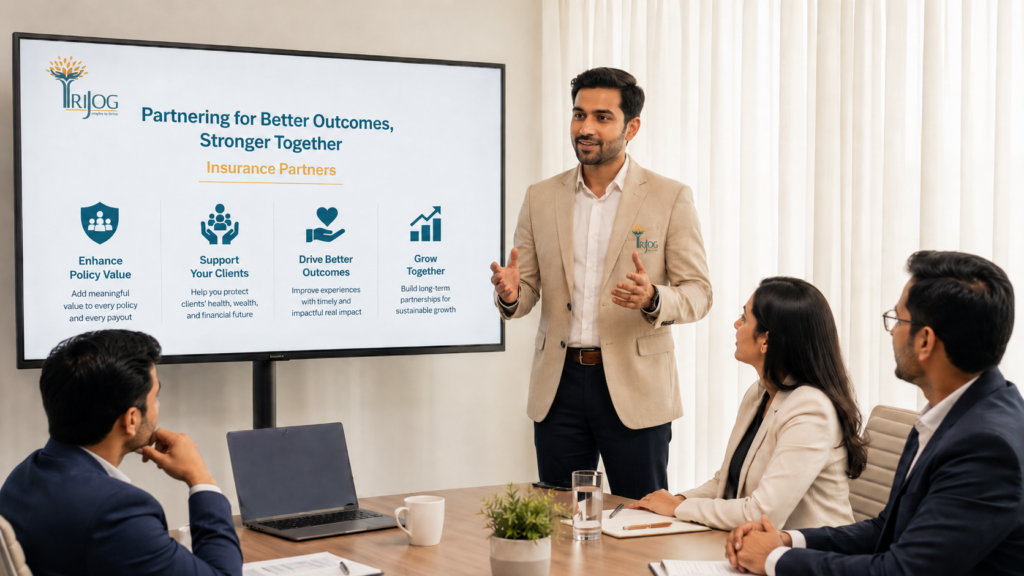
Presentation on partnering with insurers for better outcomes

Frequently Asked Questions

Common choices include stress and burnout, anxiety at work, sleep, healthy boundaries, handling conflict, grief and supporting a colleague. The best topic is the one your people need right now. Use anonymised feedback and themes from counselling to guide your choice.

Long enough to cover one topic properly and leave time for questions. Many organisations find a focused session works better than a long day of content. If a subject needs more depth, split it into a short series rather than one long sitting.

Both work. Online sessions reach teams in several cities at once and suit awareness topics. In-person sessions are better for discussion, skills practice and smaller groups. Many organisations mix the two across the year, depending on the topic and the audience.

No. A workshop raises awareness and teaches practical tools, but it cannot offer the private, personal support of counselling. The most useful workshops make it easy for employees to take the next step, such as booking a confidential one-to-one session.

Explain the topic clearly, keep the tone practical and make it clear nobody will be asked to share personal details. Senior leaders attending helps signal that the topic matters. Scheduling at a sensible time, rather than late in the day, also makes a difference.

Plan a Workshop With Us

Tell us about your teams and what they are facing. We will suggest topics, a format and a follow-up plan that suits them.

Scroll to Top