Home / Is Therapy Confidential in India?
Guide
Is Therapy Confidential in India?
Worrying about who will find out is one of the most common reasons people delay therapy. Here is how confidentiality works, in plain words.
This is general information, not legal advice. Your therapist will explain their own confidentiality policy in your first session.
- Private, one to one
- Powai, Bandra, Prabhadevi or online
- Mon to Sat, 8 AM to 10 PM
The short answer
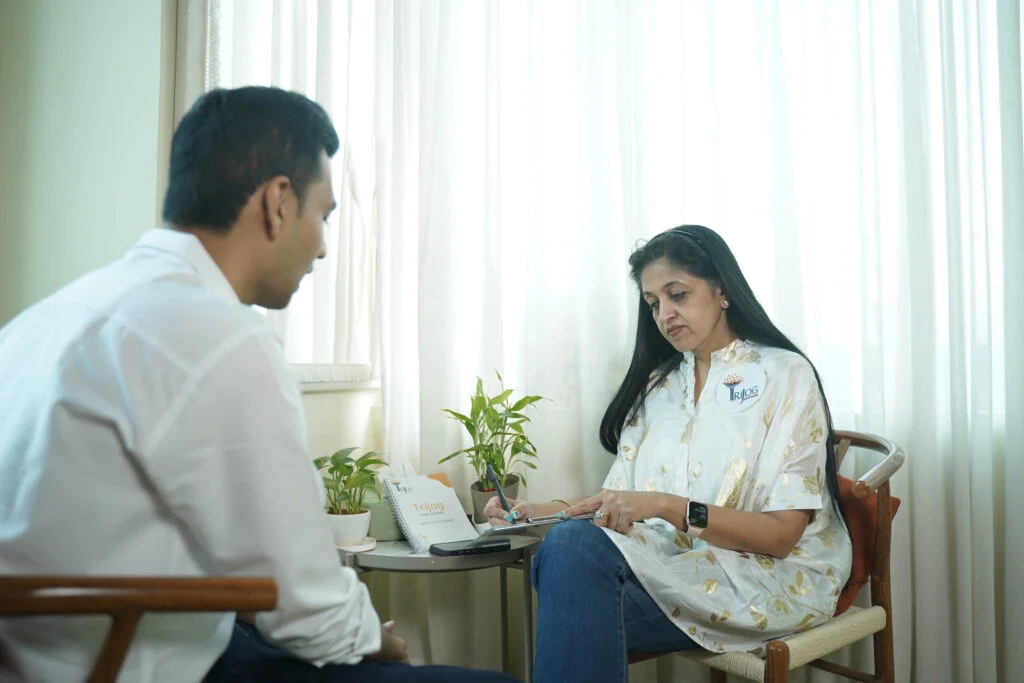
Yes. In India, what you share in therapy is confidential. The Mental Healthcare Act, 2017 gives people a right to confidentiality about their mental health and treatment. Therapists may share information only in limited situations, such as a serious risk of harm to you or others, or when required by law, and they explain these exceptions at the start.
When information may be shared
01
If there is a serious risk that you may harm yourself
02
If there is a serious risk to someone else
03
If a child is at risk of harm
04
If a court or the law requires it
Therapy through your employer (EAP)
If you use counselling through your company’s Employee Assistance Program, your employer should receive only anonymised, overall figures, never your name or what you discussed. You can ask the provider to confirm this.
Teenagers and children
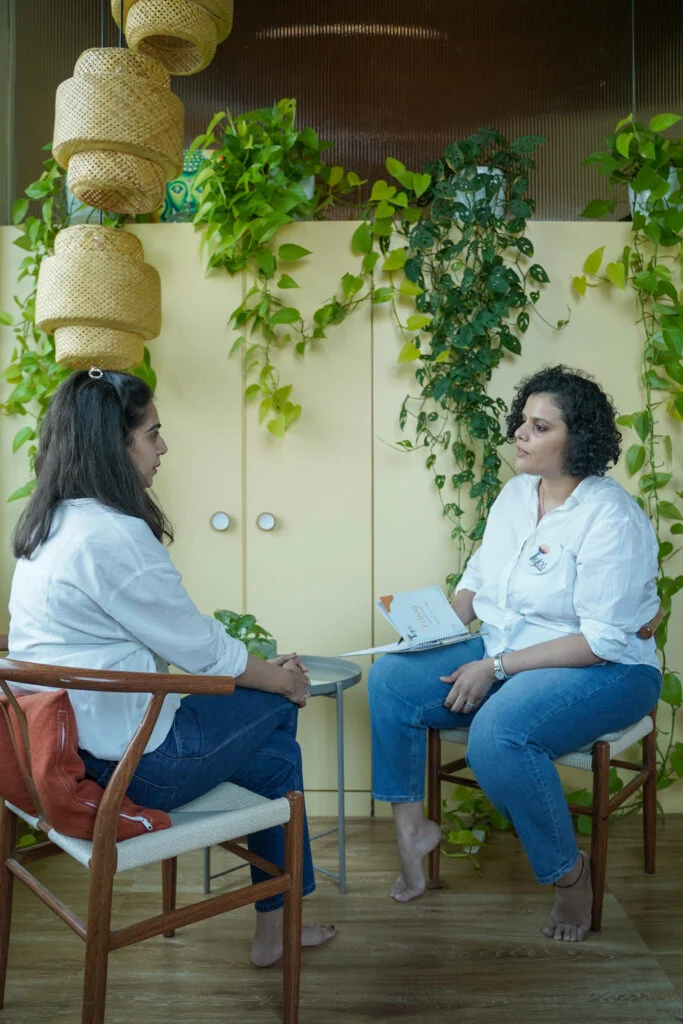
For under-18s, parents are usually involved. Good therapists agree with the young person and parents at the start what will stay private and what will be shared.
Frequently Asked Questions
Not from your therapist, unless you give permission or there is a serious safety risk.
In a well-run EAP, no. Employers see only anonymised, aggregate data.
Yes. The same confidentiality applies to online and in-person sessions.
You Might Also Find Helpful
Choosing an EAP Provider in India
Read more
Online Therapy in India
Read more
Find a Therapist in Mumbai
Read more
Counselling for Teenagers in Mumbai
Read more
Start With One Conversation
You do not need the right words ready. Tell us what has been going on, and we will take it from there.
If you are thinking of ending your life or harming yourself, or you feel unsafe right now, call 112 or go to the nearest hospital emergency. For free support any time, call the government’s Tele-MANAS helpline on 14416 or 1-800-891-4416. Trijog is not an emergency service.