
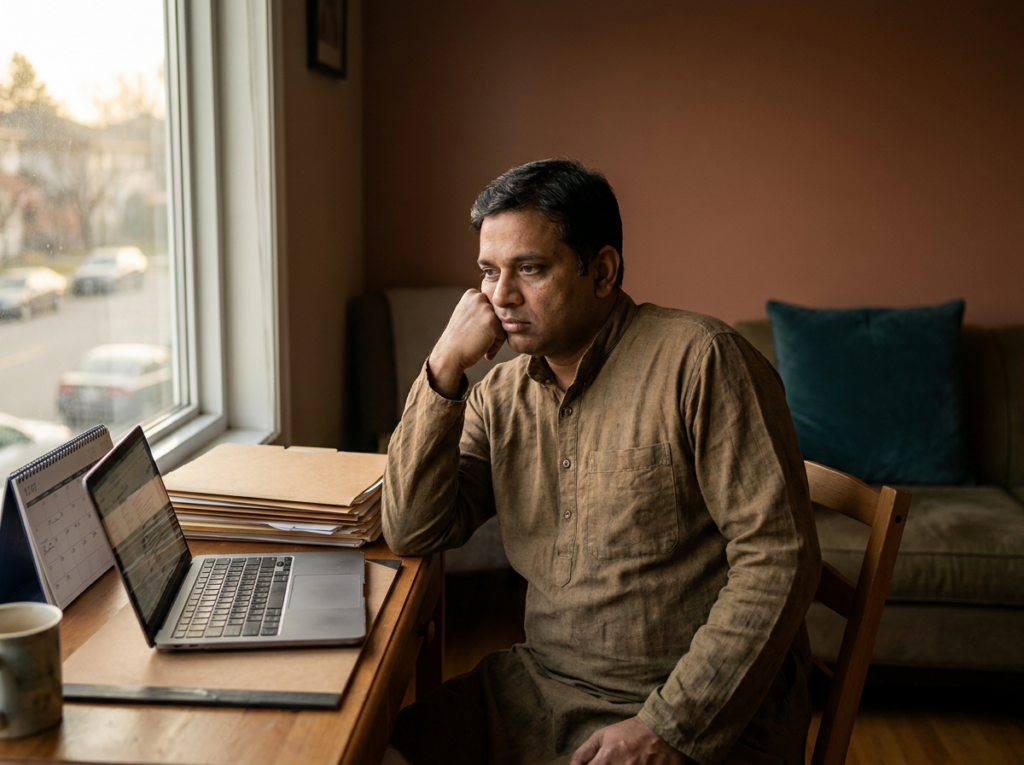
Sometimes it is so hard to focus on what you’re doing that it feels better to just leave the office, or leave the task for another day. When you’re not motivated or focused, everything seems two or even three times harder. You stop every two minutes, sigh, and try to find the strength to keep going.
When you want to achieve a goal but can’t focus, you don’t just feel overwhelmed and low. Your anxiety and stress levels can rise sharply too.
Motivation is the fuel we need to act, the engine that moves us forward, the missing puzzle piece of what we call our “life project”. It also helps us be more productive, creative and even happy.
But instead of treating the situation as a new challenge, we look at the pile of things to do and find it hard to “rev up our engines” and get to work.
Why do you feel demotivated?
Demotivation is often linked to a lack of interest in a goal, or simply to not having understood what the goal actually is.
“When defeat comes, accept it as a signal that your plans are not sound, rebuild those plans, and set sail once more toward your coveted goal.” – Napoleon Hill
Fear
Even if you feel confident about your goals, if you dig a little deeper you may realise you’re trembling with fear. This often happens when you have to explore new territory and step out of your comfort zone.
You feel like you’re about to step off a cliff, so you don’t want to continue with the task. This is a form of demotivation. To move past it, try to understand your fears and plan a step-by-step approach, going slowly but surely.
The wrong goals
If your goals aren’t clear, or you aren’t in alignment with them, it becomes harder to do the work, whether it is for others or for yourself.
If it gets harder to focus the longer you stay in a job, perhaps you’re not in sync with the values of the company, or you would prefer to be elsewhere. Make sure you’re clear on what your goals are, and if they aren’t your own, look for ways to shape them to fit your needs.
Focusing too much on the future
If you’re always worried about tomorrow, it’s hard to get a grip on what you’re doing now. When you’re working on a task, your mind should be focused on it and nothing else.
If you’re thinking about what to buy at the grocery store, your weekend plans, your chores, payday, next week’s exam or tonight’s date, it can be really hard to stay motivated.
Remember that what you’re doing now serves your bigger purpose. If you have a lot of work to do, sit down and get it done. You’ll then be able to truly enjoy your free time instead of worrying about everything else you should be doing.
Fatigue
At certain times of the year it can be hard to concentrate on anything, with your mind drifting to the beach, the mountains or a lie-in. But demotivation really shows up when you’re extremely tired and have been building up tension for too long.
Sound sleep is the best advice in these cases. Let your brain take a break from information overload, and you’ll notice how much easier it is to concentrate. If tiredness and pressure have been building for a while, our page on work stress and burnout may help.
Set clear goals and track your progress
Set a goal
We often feel unmotivated because we don’t really know where we want to end up. Ask yourself:
- Do you know why you do what you do every day?
- What do you want to accomplish with your daily actions?
- Why do you want to reach these goals?
Once you know what you want to achieve, you can set goals more effectively. Having well-defined goals and tracking their progress is one of the best ways to increase your self-motivation.
When setting goals, make sure they’re SMART goals: specific, measurable, attainable, realistic and time-bound.
Setting goals is not enough; you also need to track them and celebrate your achievements. Tracking shows you how much progress you’ve already made and reminds you what still needs to be done.
Use a checklist to plan what you need to do and cross off items as you complete them. Every time you finish a task, you’ll feel a sense of accomplishment and competence.
Measure your results
Measuring your results regularly can feel demotivating at first, especially if things aren’t going to plan. But with clear goals in place, you’ll start to feel more energised, and seeing your results will show you the effort was worth it.
This isn’t only about professional KPIs. You can also set personal performance indicators to check you’re on the right track.
Reward yourself, but not for everything
Rewarding yourself doesn’t mean a chocolate or a day off every time you complete a task. A reward every hour can actually be counterproductive, because your brain starts to expect something in return for every task.
Instead, give yourself a perk occasionally, when you finish a particularly difficult task. For example, take a Friday off after a successful three-month project, or travel to celebrate winning a new customer. What matters is allowing yourself to celebrate when you meet a goal you set.
Change the way you talk to yourself
Shift away from negative thinking
Another way to increase self-motivation is to change the focus of your thoughts. Free yourself from ideas that are self-destructive or insulting, and don’t overwhelm your mind with negative thinking that only brings you down.
It isn’t easy to always think positively, so here are some tips that can help:
- Look for your own strengths.
- Use positive self-talk. Instead of “I messed up and made another mistake”, try “That’s okay, I’ll do better next time”, or simply “I can”, “I am able to”, “this is possible”.
- Stay in touch with people who motivate you, and avoid those who bring you down or focus only on your mistakes.
- Trust your ability to perform the tasks given to you.
- If needed, talk to an expert who can help you understand your strengths.
Seeing the world, and especially your own attitudes, in a positive light gives you more energy and motivation. Don’t underestimate the power of your thoughts in shaping your life.
Don't be afraid to make mistakes
Nobody wants to make mistakes, but we all do, and that’s fine. What matters most is how you deal with them. Mistakes can get you down, or they can be an opportunity to learn, find better ways of working and grow as a person.
Don’t punish yourself when you face setbacks. Use them to adjust what you’ve been doing rather than letting them drain your motivation. Framed this way, mistakes can become a source of self-motivation.
Believe in yourself
Many people don’t believe they are good enough at what they do, and this is a big source of demotivation. So one way to motivate yourself is to work on your self-confidence.
If you have a role in a company, it is probably because you are good at your job. Think about what you do that makes you proud, and talk to people to understand what they value in your work. Gradually, your confidence will grow and the day’s tasks will feel more manageable, even the difficult ones.
Don't compare yourself to others
It may be a cliché, but it’s worth remembering: you’re not like anyone else. Comparing yourself to others has the opposite effect of boosting your motivation.
Even if you do the same work as your colleagues, your results will probably never be the same. Everyone has different abilities, life stories, genetic make-up and environments. It’s unreasonable to expect the same results as someone living a completely different life.
Be inspired by other people, but don’t let their success become the way you judge yourself. Your journey is yours alone.
Keep learning and stay open to change
Make different choices when you need to
Sometimes a small change is all you need to regain motivation. It doesn’t have to be a big change; a slight adjustment to what you already do can be enough.
Just because you’ve put time and effort into qualifying for something doesn’t mean you need to do it for the rest of your life. For example, people who create online courses often pick a niche they love, but over time they may lose their passion and feel stagnant.
Because they’ve spent so long in one area, many people don’t have the courage to change. They see starting something new as a setback, without realising that sticking with something they no longer enjoy is the real setback.
Your experience won’t go to waste. Everything you learn helps in some way later, and it’s part of what makes you unique. It’s okay to change your routine, goals or career path, and stepping out of your comfort zone may be just what you need to feel excited again.
Learn something every day
Desire and initiative are two essential parts of self-motivation: you need to want to feel motivated again, and to try to change when you’re thinking about giving up.
The more you know about a topic, the more authority and self-confidence you have, and the more you believe in your potential. Set learning goals and work towards them by studying and exchanging ideas. If you learn something every day, you’ll be better prepared for the problems you might face, and you can learn from past mistakes so you don’t repeat them.
Try coaching and self-awareness techniques
Coaching aims to support people to grow as individuals, and from there, to change and evolve. Also known as self-awareness techniques, coaching can help you discover your potential.
Knowing yourself better lets you plan a course of action towards your goals, and that is self-motivation. If you feel it would help, look for a professional who can help you find a reason to move forward.
Draw energy from other people
Spend time with people who inspire you
Talking to people who have achieved their goals can be very inspiring, and good role models matter, especially when you’re starting a new project. Staying in touch with someone who has already succeeded can make you want to study more and try harder.
If possible, connect with people who have achieved what you’re working towards. Seeing someone in the position you hope to reach can be powerful, and it helps to be around positive people who are willing to help you.
Help other people
It may seem strange, but when you see someone else’s problem and feel empathy for them, you often feel more motivated to act.
For example, imagine you run an online gluten-free cooking course. You may lose motivation to edit the videos, because you’re not a video-maker and it takes a long time. But your motivation may come back when you think about how you’re helping people with coeliac disease eat better.
In a traditional workplace, knowing that your work positively affects your colleagues’ lives may be exactly what you need to keep going.
Rest, recharge and get moving
Make time for hobbies
“All work and no play makes Jack a dull boy.”
It is very important to disconnect from work at some point in your day. One reason many people languish is that they can’t set aside time for themselves outside their professional lives.
Set a time to rest, wherever you work, and try to solve work problems during work hours rather than in your free time. When you’re not working, there are many ways to rest your mind:
- Listening to music
- Reading books
- Going to the theatre
- Watching films or series
- Travelling, even if it’s just a short weekend trip
- Playing sports
- Meditating
- Meeting friends
Even when there are problems at work, make sure you enjoy your personal life. It keeps things in perspective and reminds you why you work in the first place. A good work-life balance is essential, not only for self-motivation but also to stay healthy and prevent burnout.
Get moving
Even if you’re not a big fan of sport, not exercising can leave you feeling even more unmotivated. Exercise increases your energy, helps reduce stress and improves your general well-being. Alongside improving your motivation and mood, daily physical activity can also help you live longer.
It doesn’t need to be anything over the top. A walk in the park on Sunday mornings, dancing once a week or a fitness class can stimulate your body and give your mind a break. The key is to find something you enjoy so it doesn’t feel like a chore.
You can also spread short bursts of movement through your workday, which matters especially if you sit at a computer for long hours. Every so often, get up, take a quick walk or do some light stretching. Physical activity is also a good way to disconnect from work.
When to talk to someone
If demotivation has been with you for a while, or it feels like it is getting too much, you don’t have to push through it alone. A conversation with a therapist can help you understand what’s behind it and find your direction again; adult counselling at Trijog is a good place to start.
You can book a session with a Trijog therapist or call the Trijog helpline on 1800 202 7180.