Every relationship goes through seasons. Some are warm and easy; others test your patience, your trust and your sense of being a team. If you and your partner feel stuck in the same arguments, are drifting apart, or simply aren’t as close as you once were, couples counselling can be the turning point.
Working with a trained relationship therapist or relationship psychologist gives you a safe, judgement-free space to understand each other again and build something stronger. At Trijog, we believe asking for support is not a sign that your relationship is failing. It’s a sign that it matters enough to fight for.
This guide explains what couples therapy is, how it works, the issues it helps with, and how to find the right relationship counsellor for you.
What is couples counselling?
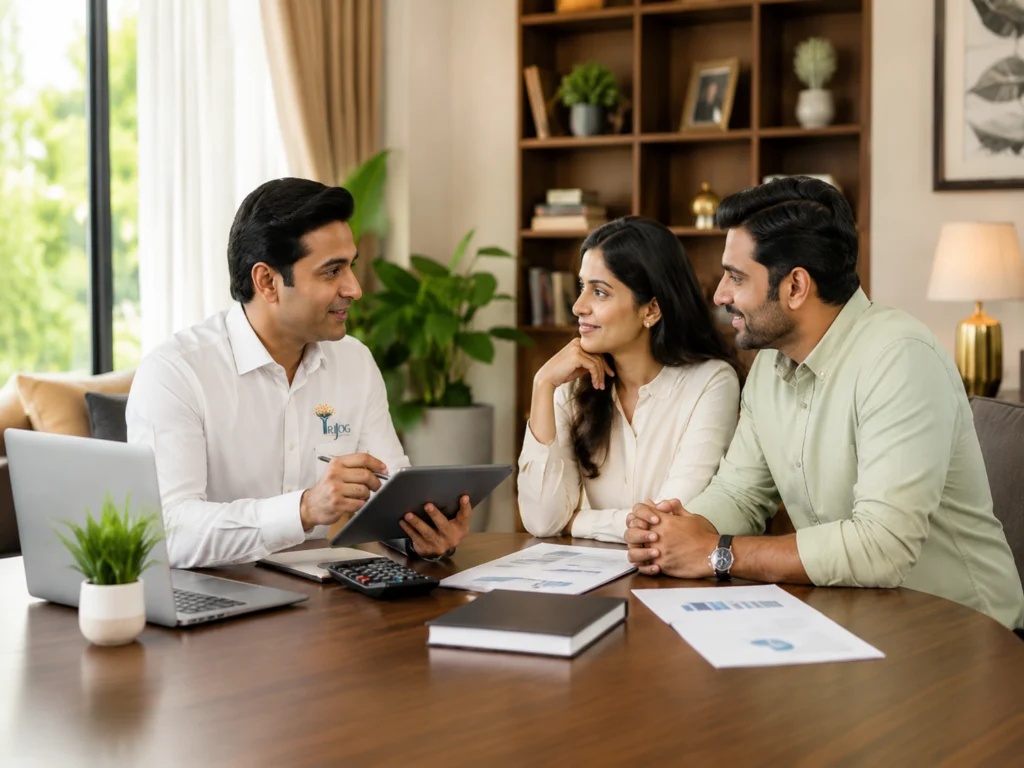
Couples counselling (also called couples therapy or relationship counselling) is a form of talk therapy where partners work with a qualified mental health professional to improve their relationship. A relationship therapist helps you both communicate more openly, resolve recurring conflicts, and reconnect emotionally and physically.
Unlike advice from friends or family, couples counselling is structured, confidential, and led by a neutral expert trained to understand relationship dynamics. The goal isn’t to decide who is “right” or “wrong”. It’s to help you understand the patterns you’re caught in and replace them with healthier ones.
Couples counselling can support partners at any stage: dating, engaged, newly married, long-married, or even considering separation and wanting clarity before making a decision.
What does a relationship therapist do?
A relationship psychologist is trained to spot the cycles that keep couples stuck: the moment a conversation tips into a fight, the unspoken expectations, the hurt hiding underneath anger. In sessions, your relationship counsellor will:
- Create a calm, balanced space where both partners feel heard
- Help you identify the real issues beneath surface-level arguments
- Teach practical communication and conflict-resolution skills
- Rebuild trust, emotional safety and intimacy
- Give you tools and exercises to practise between sessions
A good relationship therapist doesn’t take sides. Instead, they help you both become curious about each other again, so you can move from blame to understanding.
The benefits of working with a relationship psychologist
Investing in couples counselling is investing in the foundation of your life together. Couples who work with a relationship therapist often experience:
- Calmer, more productive conversations
- Restored trust and emotional safety
- Renewed intimacy and closeness
- Better tools for handling future conflict
- A deeper understanding of each other
- Clarity, whether they choose to grow together or part with respect
Even couples who feel “beyond help” are often surprised by how much can change with the right guidance.
Signs you might benefit from couples therapy
You don’t need to be on the brink of breaking up to benefit from couples counselling. In fact, the earlier you reach out to a relationship therapist, the easier it usually is to turn things around. Consider couples therapy if you notice:
- The same arguments repeating with no resolution
- Communication that feels like walking on eggshells, or has gone silent
- A loss of emotional or physical intimacy
- Trust that has been broken by infidelity, secrecy or dishonesty
- Constant criticism, defensiveness, or feeling unappreciated
- Drifting apart after a major life change, such as a baby, a move or a job loss
- Disagreements about finances, parenting, in-laws or future plans
- A sense that you’re more like roommates than partners
Noticing these signs isn’t a verdict on your relationship. It’s simply information, and a signal that the right support could help.
Common issues couples counselling helps with
A skilled relationship counsellor can support you through many of the challenges modern couples face.
Communication problems
Most couples don’t lack love; they lack tools. Couples counselling for communication problems teaches you how to express needs without blame and truly listen without getting defensive.
Rebuilding trust after infidelity
Couples therapy after infidelity is one of the most common reasons partners reach out. A relationship therapist helps you process the hurt, understand what happened, and decide together how to rebuild trust.
Recurring conflict and arguments
If small disagreements spiral into big fights, a relationship psychologist helps you spot the trigger points and respond differently.
Loss of intimacy and connection
Physical and emotional intimacy often fade quietly. Counselling helps you rediscover closeness at your own pace.
Life transitions
Marriage, parenthood, relocation, career shifts or grief can strain even strong couples. Therapy helps you adjust as a team.
Premarital concerns
Premarital counselling helps couples enter marriage with realistic expectations and shared values, long before problems begin.
How couples counselling works
Many people put off therapy because they don’t know what to expect. Here’s how couples counselling typically unfolds at Trijog:
- Initial session: Your relationship therapist gets to know both of you, your history, and what you hope to achieve.
- Understanding the pattern: Over the next few sessions, your counsellor helps you map the cycle that keeps you stuck.
- Building new skills: You’ll learn and practise tools for communication, conflict and connection, both in sessions and at home.
- Sustaining change: As things improve, sessions focus on maintaining progress and preventing old patterns from returning.
Most couples notice early shifts within the first few weeks, with deeper, lasting change building over a few months of consistent work. If you’re wondering about timelines, here’s more on how many therapy sessions you might need.
Approaches used in couples therapy
A qualified relationship psychologist draws on evidence-based methods, choosing what fits your relationship best:
- Emotionally Focused Therapy (EFT): strengthens the emotional bond between partners
- The Gottman Method: uses research-backed tools to manage conflict and deepen friendship
- Cognitive Behavioural Therapy (CBT) for couples: reshapes unhelpful thought and behaviour patterns
- Solution-focused approaches: build on your existing strengths to create change
You don’t need to know which approach is right for you. That’s exactly what your relationship therapist is trained to assess.
Online vs in-person couples counselling
Today, you can access support in whatever way suits your life. Online couples counselling is just as effective as in-person therapy for most couples, and offers real advantages:
- Attend together even if you’re in different cities or travelling
- No commute, so it’s easier to fit around work and family
- The comfort and privacy of your own home
That said, some couples prefer the focused, distraction-free setting of an in-person session. At Trijog, you can choose whichever feels right, and even switch between the two.
How to choose the right relationship therapist
The relationship between you and your relationship counsellor matters. When choosing the best relationship therapist for you, look for:
- Proper qualifications and experience in couples work
- A neutral, non-judgemental approach
- A style and personality you both feel comfortable with
- Flexible options: online or in-person, evenings or weekends
- A clear, transparent process
It’s perfectly okay to take time to find the right fit. The right relationship therapist will feel like a steady, supportive presence for both of you.
FAQs
Do we need to be on the verge of breaking up to try couples counselling?
No. Couples counselling can help at any stage, and the earlier you reach out, the easier it usually is to turn things around.
Is online couples counselling as effective as in-person sessions?
For most couples, yes. Online sessions also make it easier to attend together if you’re in different cities or short on time.
How long does couples counselling take?
Most couples notice early shifts within the first few weeks, with deeper, lasting change building over a few months of consistent work.
Couples counselling at Trijog
At Trijog, our experienced relationship therapists and psychologists offer warm, evidence-based couples counselling at our Mumbai clinics in Powai, Bandra and Prabhadevi, or through secure online sessions anywhere in India. Whether you’re navigating a rough patch, rebuilding after a breach of trust, preparing for marriage, or simply want to feel close again, we’re here to help.
Taking the first step is often the hardest part, and you don’t have to take it alone. Book a confidential session or call the Trijog helpline on 1800 202 7180.