The period since 2009 has been crucial for the LGBTQIA+ (lesbian, gay, bisexual, transgender, queer/questioning, intersex, asexual and others) community in India. Members of the community have been fighting a constant battle for access to basic human rights.
While things are slowly but surely improving and the community is getting the attention it deserves, it still has poor overall health equity. And the process of coming out is still a struggle for many.
What does coming out mean?
In contemporary culture, coming out is defined as revealing one’s sexual orientation as gay, lesbian, bisexual, transgender or pan. Such a declaration can sometimes lead to problems with family, employers or friends, so it can be a difficult step, even for those who accept and are comfortable with their sexual orientation.
Every day, members of the community face the psychologically complex decision of whether to come out, or openly acknowledge their sexuality:
- Whether to reveal it
- Whom to reveal it to
- How much to reveal
- Whether they will get the acceptance they hope for
In short, coming out is a process that never really ends.
Why staying closeted can affect mental health
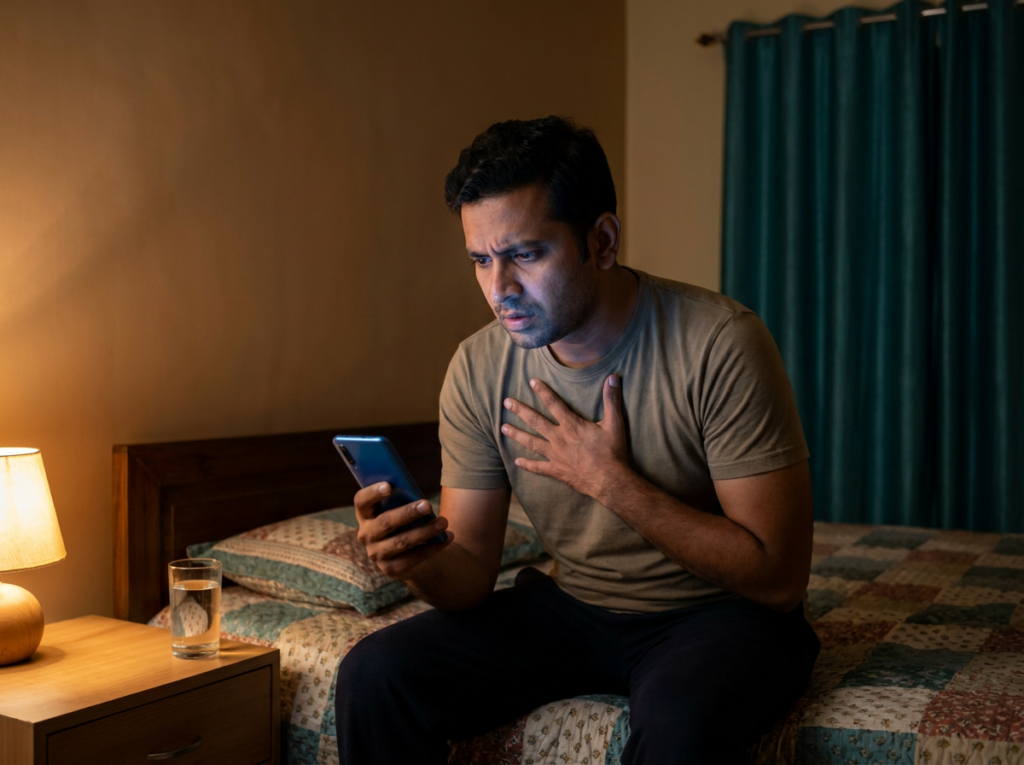
Some might say it’s easier to just stay silent. But people who are closeted frequently struggle to accept their individuality. The effort of keeping their sexuality out of conscious awareness and their public persona is very real, and it contributes to high rates of mental health concerns within the community.
So not coming out can be just as stressful as coming out, if not more. Studies have found that LGBTQ+ people struggling with self-acceptance are at higher risk of serious depression, anxiety disorders, post-traumatic stress disorder (PTSD), substance addiction and suicide.
Stigma around sexual orientation in India
Over the years, the community has faced extreme prejudice, discrimination and violence because of sexual orientation. Indian media’s portrayal of gay men as physically weak and effeminate, and of lesbian women as physically strong and manly, stigmatises and stereotypes people within the community.
Because of these beliefs, the already stressful process of coming out becomes far more nerve-racking in India. However, studies show that lesbian, gay and bisexual people who had come out to friends and family tended to have lower stress levels and a smaller chance of depressive symptoms than those who kept their sexual orientation a secret. Coming out is no longer a matter of popular debate, but of public health.
How Indian parents may react when a child comes out
The reaction of Indian parents when their child comes out can follow the pattern of what psychologists call the stages of grief.
How therapy can help with coming out
If you’re feeling uncomfortable with your sexual orientation, facing judgement, unsure how to come out, or dealing with stress, anxiety or other mental health concerns because of stigma or discrimination, support from a professional therapist can help. It can help you learn ways to cope, feel less isolated and build overall mental health and wellbeing. Here’s how confidentiality works in therapy in India.
The LGBTQ community is more societally accepted now than ever before, yet many continue to struggle with accepting themselves and their identity. Therapy can help focus on learning to love, accept and see ourselves as worthy irrespective of one’s preference. – Esha Pahuja, Clinical Psychologist, Trijog: Know Your Mind
Counselling can prepare you for the actual process of coming out and for handling any reaction. You and your therapist will work together to build a stronger sense of self-knowledge, acceptance and worth, and create a plan for approaching the conversation.
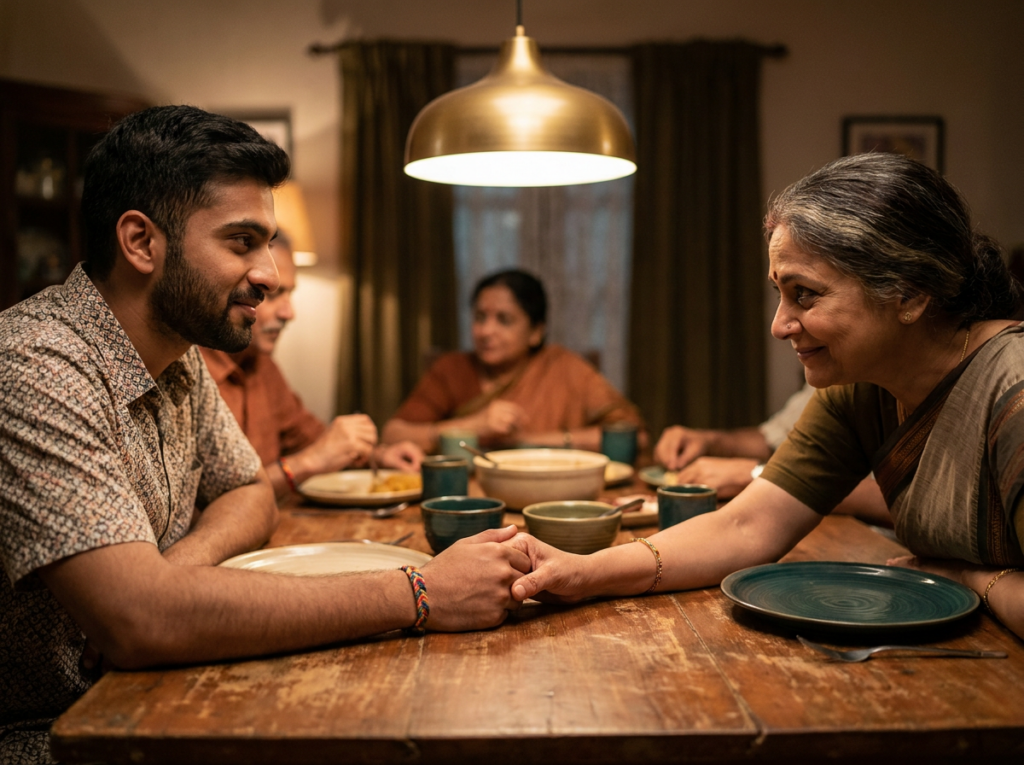
If you want to go a step further, you and your family can also try family therapy. It offers a more holistic approach and can help your parents and family members move through the stages of grief, reach acceptance, and mend any cracks that have formed in your relationships.
Getting support
You don’t have to navigate coming out alone. Trijog’s counsellors offer a safe, non-judgemental space for you and your family. Book a session or call our helpline on 1800 202 7180.
If you or someone you know is in immediate danger, call 112. For free, confidential support any time, call Tele-MANAS on 14416.