
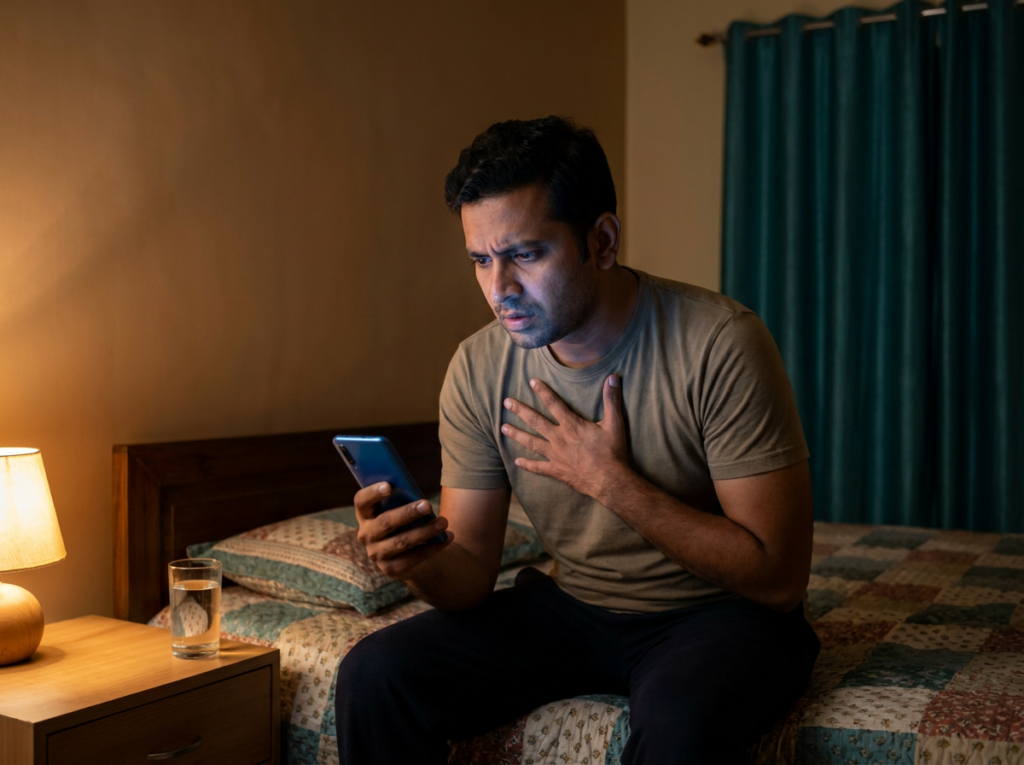
Are you overly anxious about your health? Do you find yourself paying close attention to tiny aches and pains, and frequently googling your symptoms? Most importantly, is your concern about your physical health affecting your mental health?
What is health anxiety?
Health anxiety, also called illness anxiety disorder, means being preoccupied with and highly anxious about your health, and living in fear of developing a serious illness. It can show up in many different ways.
With the pandemic especially, more and more people have found themselves struggling with it, worried about illnesses both related and unrelated to Covid.
How health anxiety affects daily life
Health anxiety can be extremely debilitating and can affect your day-to-day functioning. Signs to look out for include:
- Frequently checking your body for lumps or changes
- Asking people for reassurance that you are not ill
- Googling your aches and pains
You can read more about anxiety, worry and panic and how therapy can help.
Self-care tips for mild health anxiety
If you think you have a mild case of health anxiety, these self-care tips can help:
- Keep track of your thoughts: keep a diary and note how often you check your body for lumps, ask people for reassurance that you are not ill, or google your aches and pains.
- Address your thoughts: if you’re worried about a headache, remind yourself that headaches are often a sign of stress, lack of sleep, too much screen time and so on.
- Stay busy: as the saying goes, “an idle mind is the devil’s workshop”. Take up a new hobby, build on an old skill or do anything you enjoy, rather than letting your mind wander to illnesses.
- Try relaxation techniques: meditate, or try simple breathing exercises to calm yourself down. Our free guided breathing and calming audio is a good place to start.
FAQs
What are the signs of health anxiety?
Common signs include constantly worrying that you have or will develop a serious illness, checking your body for lumps, seeking reassurance from others and frequently googling symptoms.
When should I seek help for health anxiety?
Seek help if your symptoms last more than six months, seem to be getting worse, or interfere with your social or work life, or if you simply need someone to talk to.
When to talk to someone
If your symptoms persist for more than six months, are getting worse or are affecting your social or work life, or if you just need someone to talk to, don’t be afraid to seek help. In therapy, we will work together in a safe space to address your concerns and help reduce your symptoms.
You can book a session with a Trijog therapist or call the Trijog helpline on 1800 202 7180.