
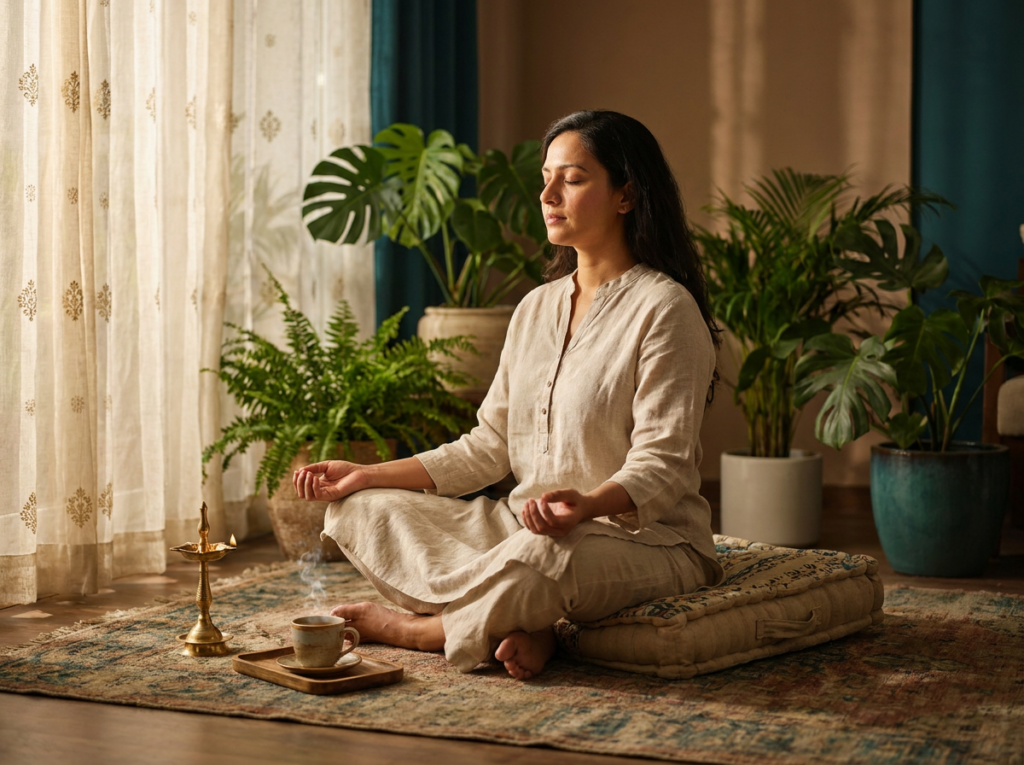
We have all heard the word “mindfulness” used again and again, but how many of us know what it actually means? And how many of us practise it in our daily routines and activities?
What is mindfulness?
Mindfulness is the practice of being fully present and engaged in the moment, aware of your thoughts, feelings and surroundings without judgement. It involves paying attention to the present moment intentionally, with an open and curious attitude.
This practice can help you manage stress, regulate your emotions and improve your overall wellbeing.
Benefits of mindfulness for stress
- Reduced stress and anxiety: by focusing on the present moment and accepting experiences without judgement, mindfulness reduces the impact of stressors.
- Better emotional regulation: mindfulness helps you recognise and manage emotions more effectively.
- Improved focus and concentration: regular practice improves attention and cognitive functioning.
- Better physical health: mindfulness can lower blood pressure, improve sleep, and reduce symptoms of chronic pain and illness.
- Greater resilience: mindfulness builds a sense of inner calm and resilience, helping you handle life’s challenges more effectively.
In the hustle and bustle of our hectic routines, we forget to take care of our body and mind. Be mindful, nurture and care for yourself, and in doing so, watch yourself grow more grounded and relaxed through whatever challenges come your way.
What is Mindfulness-Based Stress Reduction (MBSR)?
Mindfulness-Based Stress Reduction (MBSR) is an evidence-based programme designed to help people manage stress, pain and illness through mindfulness practices. It was developed in the late 1970s by Dr. Jon Kabat-Zinn at the University of Massachusetts Medical Center.
The key components of MBSR include mindfulness meditation, body awareness, and home practice such as daily exercises and reflective tasks that build mindfulness into your daily routine.
Mindfulness techniques to manage everyday stress
Here are some mindfulness-based stress management techniques that can help you manage your daily stressors more effectively.
Mindful breathing
Technique: Sit or lie down in a comfortable position. Close your eyes and bring your attention to your breath. Notice the sensation of air entering and leaving your nostrils, the rise and fall of your chest, or the movement of your abdomen. When your mind wanders, gently bring your focus back to your breath.
Benefit: Calms the mind, reduces anxiety and anchors you in the present moment.
If you would like some guidance to start, Trijog’s free guided audio practices include breathing and calming exercises.
Body scan meditation
Technique: Lie down or sit comfortably. Close your eyes and focus on different parts of your body, starting from your toes and moving up to your head. Pay attention to any sensations, tension or discomfort in each area without trying to change them.
Benefit: Increases body awareness, promotes relaxation and helps release physical tension.
Mindful walking
Technique: Walk slowly and deliberately, paying attention to the sensations in your feet and legs as they move. Notice the contact with the ground, the shifting of your weight and the rhythm of your steps. Practise mindful walking indoors or outdoors, in a quiet place.
Benefit: Reduces mental chatter, promotes physical relaxation and deepens your connection with your surroundings.
Sitting meditation
Technique: Sit comfortably with your back straight and your hands resting in your lap. Focus on your breath, a mantra or a specific object. When your mind wanders, acknowledge the thoughts without judgement and gently return your focus to your point of attention.
Benefit: Improves concentration, reduces stress and supports emotional regulation.
Loving-kindness meditation
Technique: Sit comfortably and close your eyes. Begin by silently repeating phrases such as “May I be happy, may I be healthy, may I be safe, may I live with ease.” Gradually extend these wishes to others, including loved ones, acquaintances and even people you have conflicts with.
Benefit: Builds compassion, reduces negative emotions and strengthens positive feelings towards yourself and others.
Mindful eating
Technique: Eat slowly and without distractions. Pay full attention to the colours, smells, textures and flavours of your food. Notice the sensations of chewing and swallowing, and the way your body feels during and after eating.
Benefit: Makes food more enjoyable, improves digestion and encourages healthier eating habits.
Three-minute breathing space
Technique: Take a brief pause to focus on your breath. Start by becoming aware of your thoughts, feelings and bodily sensations. Then concentrate on your breath for a minute or two. Finally, expand your awareness to your body and surroundings before returning to your activities.
Benefit: Provides a quick reset, reduces immediate stress and brings a sense of calm.
Mindful stretching or yoga
Technique: Do gentle stretches or yoga poses while focusing on your breath and bodily sensations. Move slowly and mindfully, paying attention to how each stretch or pose feels.
Benefit: Reduces physical tension, improves flexibility and promotes relaxation.
Ask yourself: what is important right now?
Technique: As humans, we tend to spend a lot of time living in the past or worrying about the future. Pause, take 5 to 10 deep breaths, and focus on each breath flowing in and out through your heart and your body. At least once a day, ask yourself: what is important and of utmost priority to me right now?
Then focus all your senses and attention on that, and notice the difference. You will be much more in tune with yourself, your surroundings and the present moment.
Benefit: Helps you stay focused on what matters most to you, reduces the clutter in your mind and lowers the chances of anxiety developing.
How to bring mindfulness into daily life
- Routine activities: bring mindfulness into daily tasks such as washing dishes, brushing your teeth or commuting. Focus on the sensations and movements involved.
- Pause and reflect: take short breaks through the day to pause, breathe and bring your attention to the present moment.
- Mindful listening: practise active listening by focusing fully on the person speaking, without planning your response or getting distracted.
- Journaling: write about your mindfulness practice, including your experiences, challenges and insights. This can deepen your understanding and commitment.
Getting support
If stress or anxiety feels overwhelming and you need more support, please reach out and speak to a qualified professional who can help you on your journey. You can book a session with a Trijog therapist or call the Trijog helpline on 1800 202 7180.